

Europe's E-commerce Growth Is a Marketing Leadership Test
European e-commerce is growing, but winning customers is getting harder. Leonie Fehr explains why marketing leadership matters more than ever and what companies should look for when hiring.
Europe's e-commerce story is not over. It is becoming more demanding.
In a June 2026 report on the European market, McKinsey estimates that digital commerce is growing by 5 to 7 percent annually, largely driven by marketplaces. That is striking in a period when many consumers remain careful about what they spend. But growth does not mean that winning customers has become easier. More choice, more channels and new ways to discover products are raising the standard for every retailer and brand.
From where I sit in executive search, this is a marketing leadership story as much as a technology story. At Key Search, we are currently recruiting a great deal in marketing. The briefs I find most interesting are no longer about filling a familiar role with a familiar playbook. They are about finding people who can connect brand, customer insight and commercial results in a market that keeps changing.
Growth is real, but attention is harder to earn
A growing online market can conceal a difficult reality for individual businesses. Customers compare offers quickly and can move between a marketplace, a social feed, a brand website and a store before making a decision. They want value, but they also need a reason to trust the seller and return.
That is why marketing cannot be reduced to buying traffic. A promotion may create a spike in orders, but it does not necessarily build preference. A strong brand matters, yet it must be connected to the moments when a customer discovers a product, assesses its value and decides whether the experience lived up to the promise. The marketing leader's job is to see that entire journey.
The storefront is no longer just the store
McKinsey describes a shift in which content, media and commerce increasingly sit in the same environment. A customer might encounter a product through a creator, learn how it works in a short video and buy it without ever visiting a traditional category page. Retail media is also becoming more important as retailers use their own customer relationships to offer brands measurable advertising opportunities.
For marketing teams, this demands more than another channel specialist. Someone must decide what the brand stands for across all those settings, how creative work gets made and tested and which signals indicate genuine customer value rather than a short-lived click. That person also needs to work closely with commerce, merchandising, product and data teams. A brilliant campaign cannot compensate for poor availability, confusing product information or a disappointing delivery experience.
AI changes the work, not the need for judgement
The report says 38 percent of European consumers use generative AI tools to help research products and services and decide what to buy. It also points to the possibility of AI assistants making more shopping decisions on behalf of customers. These are signs that discovery itself is changing, not proof that every purchase will be made by an agent tomorrow.
Marketing leaders need to understand both sides of that shift. They can use AI to test creative ideas, learn from customer behaviour and make content more relevant. At the same time, the business needs accurate product information, credible claims and an experience that deserves the customer's trust. Technology can speed up the work, but it cannot decide what a brand should promise or whether that promise has been kept.
What we look for in a marketing leader now
When a company asks us to help build its marketing leadership, I start with the problem it needs the person to solve. Is it struggling to turn awareness into loyal customers? Does it need to make its online and offline experience feel consistent? Is it building a retail media business or entering a new market? Those are different mandates, even if the job title on each brief is CMO.
The strongest candidates can usually show evidence across four areas. They understand customers beyond the dashboard. They bring creative and commercial thinking together. They know how to use data without treating every short-term metric as the whole story. And they can bring people from marketing, technology and operations into the same conversation.
I also want to know what happened when a strategy met reality. How did they respond when acquisition costs rose or a campaign performed but repeat purchase did not? How did they earn support for brand investment while remaining accountable for growth? The answers tell us more about leadership than a list of platforms or previous employers.
Make the mandate clear before making the hire
For founders, boards and retail leaders, this is an opportunity to be more precise about what marketing should own. Define the customer problem, the commercial outcomes and the partnerships the role will need across the business. Then hire for someone who has built those capabilities, rather than expecting a single executive to fix an unclear operating model.
European e-commerce is growing, but growth alone will not protect a business from sharper competition. The companies that stand out will combine technology with a clear understanding of their customers and a marketing leader who can turn that understanding into sustained demand. That is the kind of leadership we are spending a lot of time helping companies find.
Source: McKinsey & Company, “Europe’s new e-commerce agenda: How AI is resetting growth and competition”, June 10, 2026. Growth and consumer AI usage figures cited above are McKinsey estimates.
Key Search
Key Search specializes in expansion hires across Europe, the US, and transatlantic searches. To find out more about our US and North American hiring capability, visit us below.
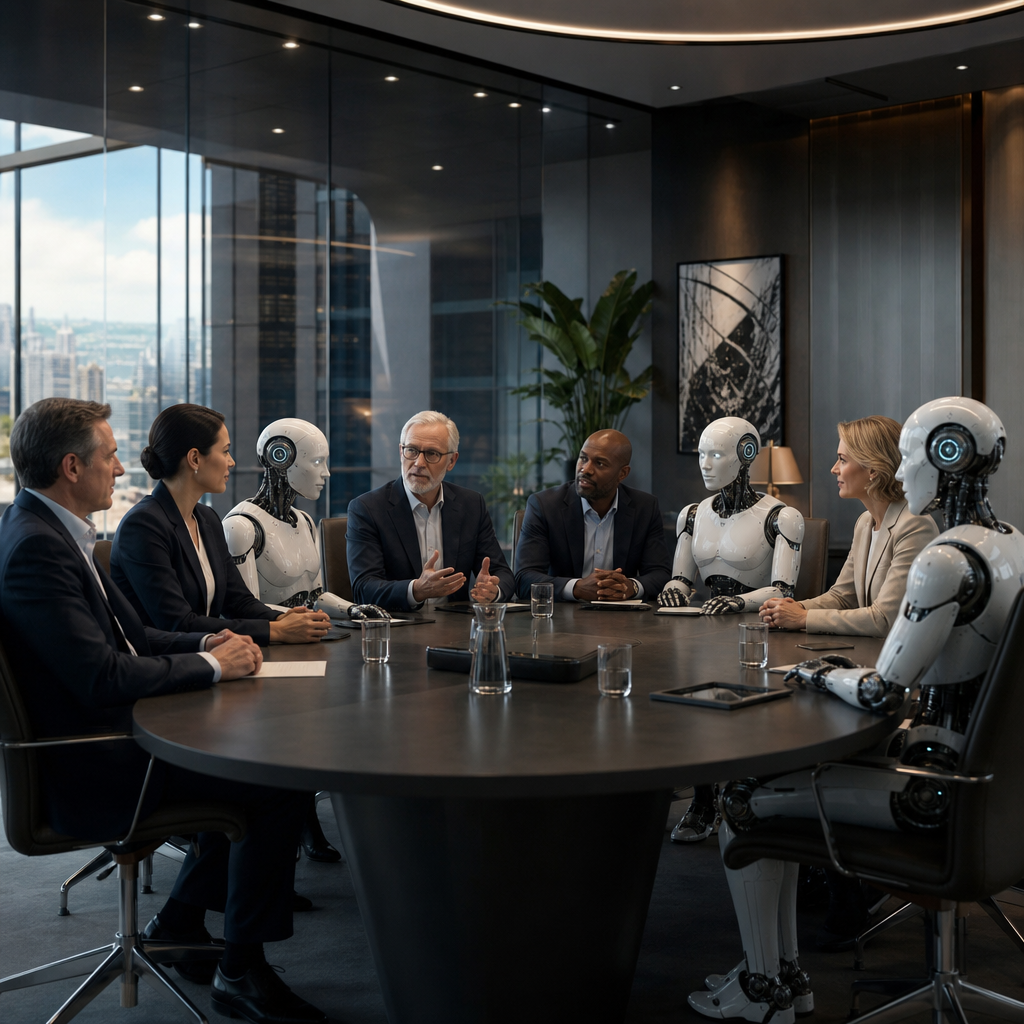
This article and its photos were created with the use of A.I. and reviewed by a human Key Search Partner.
Related articles

Bleeding Edge vs. Cutting Edge: Why MedTech Investors Are Ditching "Code Moats" for Team Velocity
As AI erodes traditional software moats, MedTech investors are prioritizing talent density, workflow integration, and leadership execution.

AI Leaders Say We Need to Slow AI Down. Power and Water May Do It First.
AI data-centre growth is now a Climate Tech leadership challenge. Konrad Nowicki examines the power, grid, water, cooling and permitting expertise companies need.
Why Your Most Important Hires Shouldn't Be a DIY Project
Marketplace executive hiring requires leaders who understand liquidity, network effects, trust, unit economics, and multi-sided growth. Tiffany Sizemore explains when specialist search reduces the risk of a critical hire.